What Are Mechanical and Electronic Shutters? How to Say Goodbye to Image Flickering
Sep 02 2026

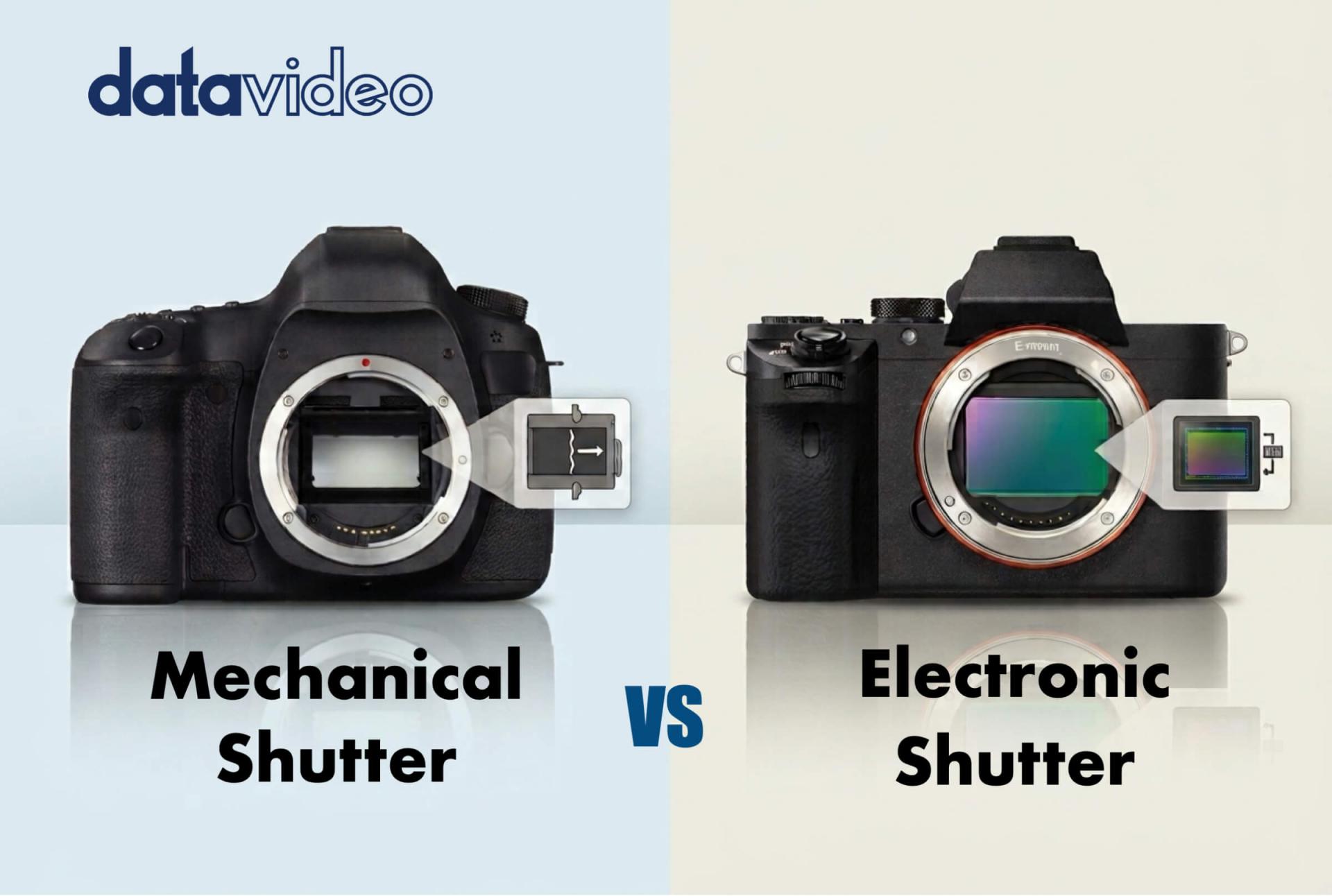 In today's rapidly evolving world of digital imaging technology, the choice between a mechanical shutter and an electronic shutter is no longer just a difference in hardware construction; it is a balance for photographers between "physical texture" and "extreme performance." The mechanical shutter, with its stable physical shielding mechanism, ensures image authenticity and precision in flash synchronization. Meanwhile, the electronic shutter relies on silent operation and ultra-high-speed continuous shooting to overcome the physical limitations of traditional photography. However, the resulting "rolling shutter effect" and "image flickering" have become new challenges for creators. This article will provide an in-depth analysis of how both operate and share how to align frequencies in variable lighting environments to eliminate annoying banding and flickers.
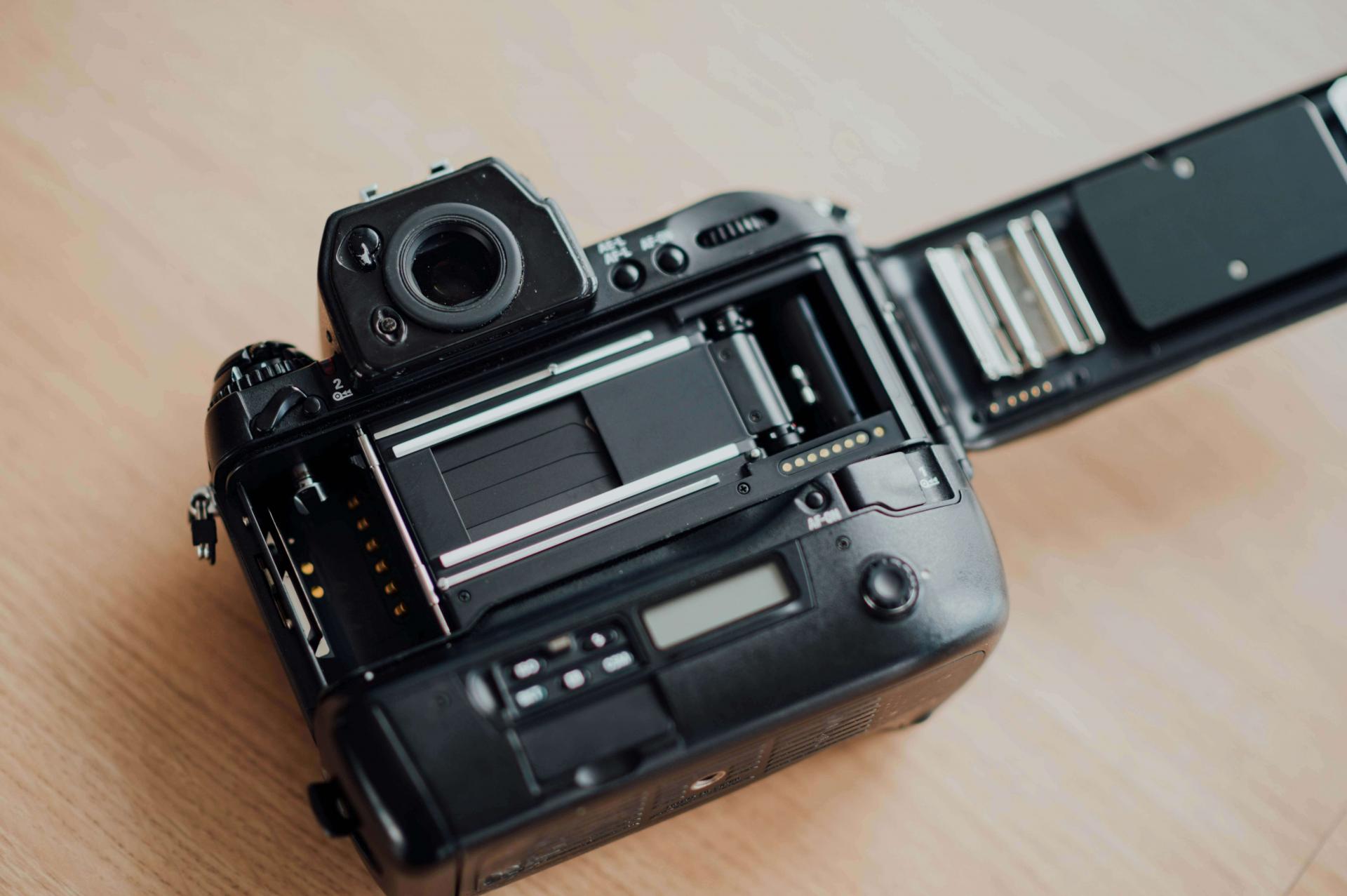
In film cameras and Digital SLRs (DSLRs), a mechanical shutter consists of a set of metal blade curtains used to control the exposure time of the film or sensor. When the shutter opens, the film or sensor receives light for exposure; when it closes, light is blocked, completing the exposure.
In a DSLR, the mirror must flip up before the shutter curtain opens. After the exposure ends and the curtain closes, the mirror drops back down. This process produces a distinct "click-clack" sound, which, combined with the "swish" of the shutter curtains, creates a crisp acoustic experience that many traditional enthusiasts find incredibly charming! However, it is important to note that the movement of the mirror causes camera shake (mirror slap), which can affect image sharpness during slow shutter speeds or long exposures. Therefore, professional photographers often choose to "lock up" the mirror before opening the shutter when shooting with slow shutter speeds or in Bulb (B) mode.
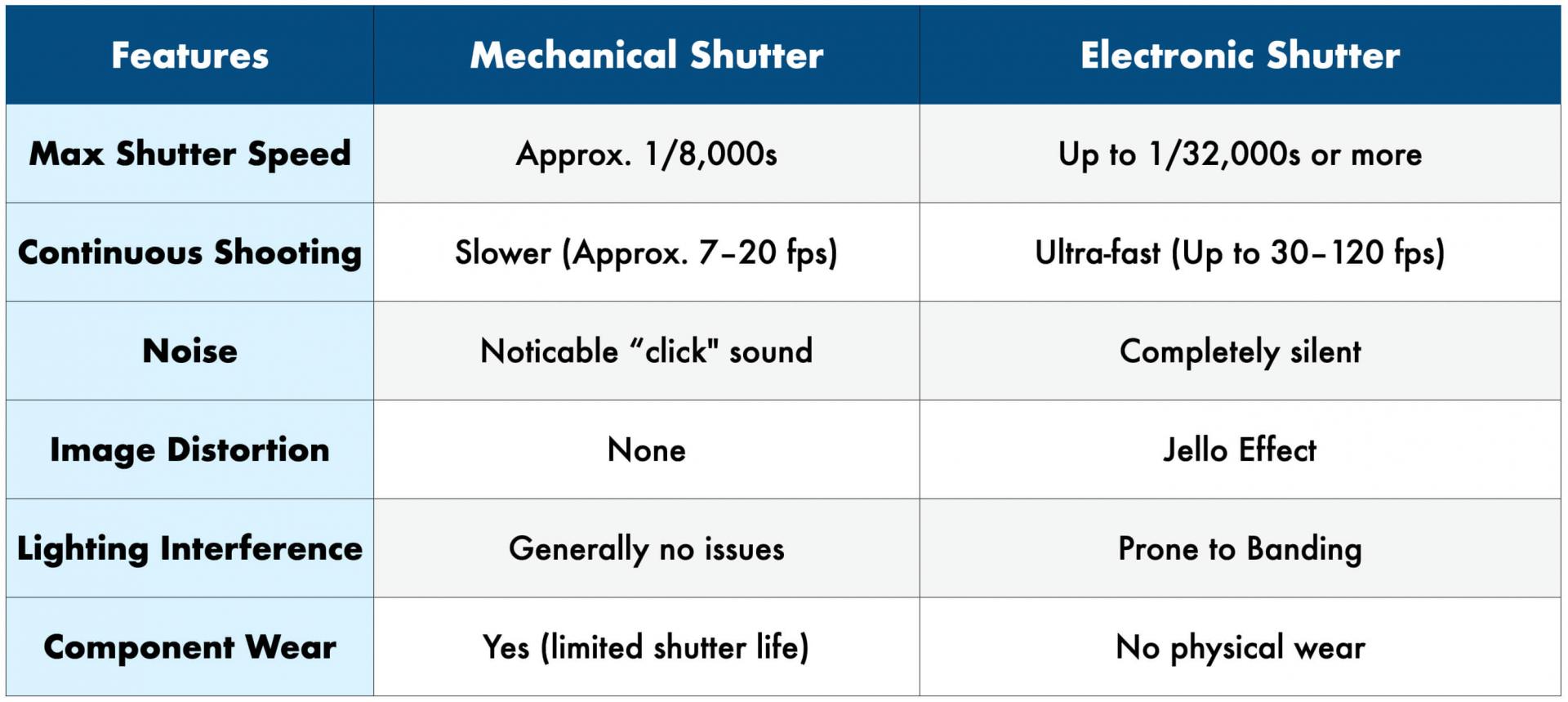
Because the operation of a traditional mechanical shutter involves both the mirror flip and the curtain movement, the maximum shutter speed of most DSLRs is generally capped at 1/8,000 of a second. Twenty years ago, continuous shooting speeds were limited to about 8 frames per second (fps), whereas the latest flagship DSLRs can reach up to 20 fps. Additionally, mechanical shutters inevitably face physical wear and tear; for the advanced DSLRs and above, the estimated shutter life is typically around 100,000 cycles.
The emergence of the electronic shutter was essentially a solution to the "speed" bottleneck inherent in mechanical shutters. An electronic shutter operates by toggling the power to the image sensor—essentially "powering off then powering on"—to manage exposure, allowing for precise control over exposure duration. Since the electronic shutter lacks mechanical components, the most significant advantage of the electronic shutter is the massive boost in continuous shooting speeds. Capturing more than 30 frames per second has now become the norm, enabling photographers to easily freeze fleeting moments in exciting sports or the sudden sprints of wildlife. This ability to capture images beyond the limits of traditional mechanical shutters is undoubtedly a milestone in digital photography.
With the rise of next-generation mirrorless cameras, electronic shutters have introduced two more game-changing features, “Absolute Silence" and "Zero Vibration." Whether at a theater performance, an indoor concert, or photographing a sleeping newborn, photographers can work quietly without disturbing the atmosphere. Simultaneously, the elimination of mechanical vibration ensures extreme image clarity, especially during long-exposure or telephoto shooting.
However, electronic shutters are not without their flaws. The following sections detail the imaging challenges commonly encountered with electronic shutters.
Electronic shutters are categorized into two main types based on their readout logic: Rolling Shutter and Global Shutter. When using a rolling shutter to photograph high-speed moving objects, for example, you may notice straight power poles appearing tilted or rotating propellers looking distorted. This phenomenon stems from the "progressive scan" method used by most CMOS sensors – image data is recorded sequentially from the top to the bottom of the sensor. Because different parts of the frame are not recorded at the same instant, a tiny time lag exists between the top and bottom of the image. When the object's speed exceeds the sensor's readout speed, the resulting temporal gap produces distorted images—a phenomenon known as the Jello Effect. A classic example is a high-speed propeller appearing as unnatural, curved blades in a photo.
In contrast, a global shutter utilizes a different sensing logic. It allows every pixel on the sensor to start and end exposure simultaneously, capturing the entire frame in a single instant. This sensing approach fundamentally eliminates the distortion caused by the jello effect.
However, global shutters come with their own set of technical hurdles. Because the sensor activates all pixels for data readout at once, it generates significant instantaneous current and waste heat, placing immense strain on the camera’s cooling and power systems. Furthermore, the more complex circuitry required can reduce the "fill factor" (pixel light sensitivity), making it less ideal for extremely high ISO applications. Due to the challenging manufacturing process and high costs, global shutters are currently reserved for a select few flagship high-end cameras and professional cinema rigs.

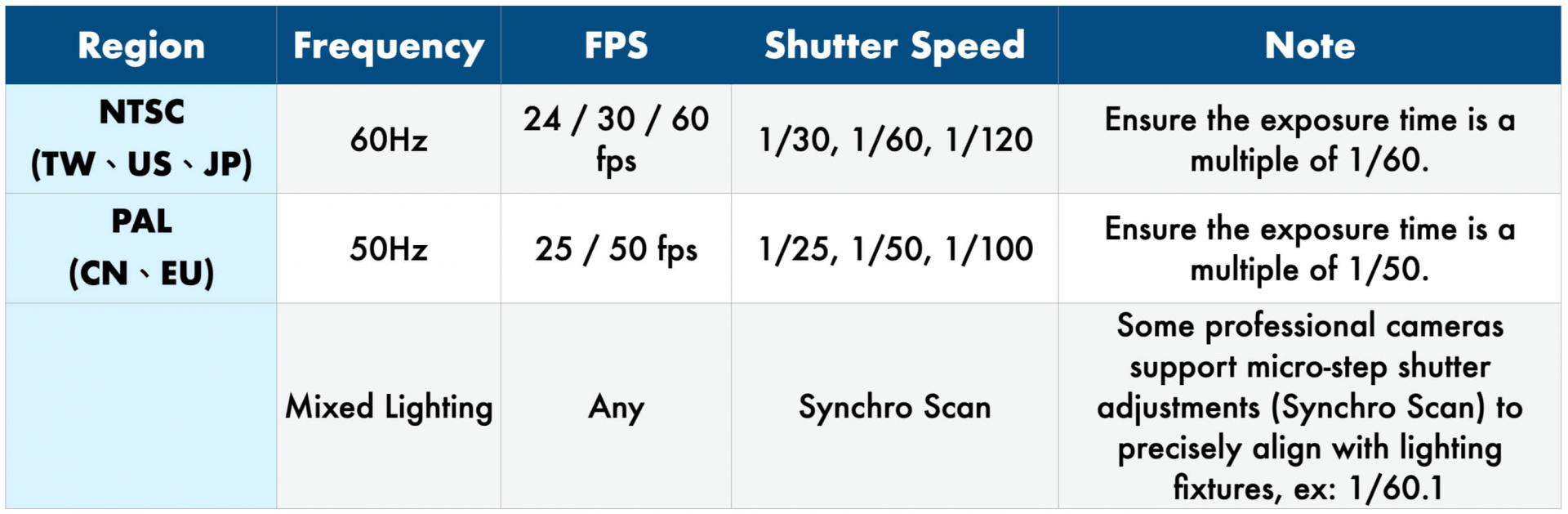
Compared to the jelly effect, flickering is a challenge more frequently encountered when using electronic shutters for video. In real life, light fixtures and screens actually cycle through "bright-dark-bright-dark" phases at a very high frequency. This illumination cycle typically flickers 50 or 60 times per second, depending on the local AC power frequency (50Hz or 60Hz). While the human eye cannot perceive these rapid transitions, if the electronic shutter's scanning speed is faster than the light's flicker frequency, the camera may capture the moment the light is "off," resulting in uneven brightness. For still photography, the solution is simple – the photographer just needs to set a shutter speed slower than the flicker frequency to extend the exposure across a full cycle. For instance, slowing the shutter to 1/30s ensures each photo receives sufficient and stable exposure, avoiding frames captured during the light's "off" phase.
When shooting video with an electronic shutter, avoiding flicker becomes more complex. Video footage is primarily defined by two synchronized settings – frame rate and shutter speed. The frame rate determines how many still images are captured per second, while the shutter speed determines the exposure time of each frame. To avoid capturing flickering footage, the photographer must align the frame rate, shutter speed, and light frequency.
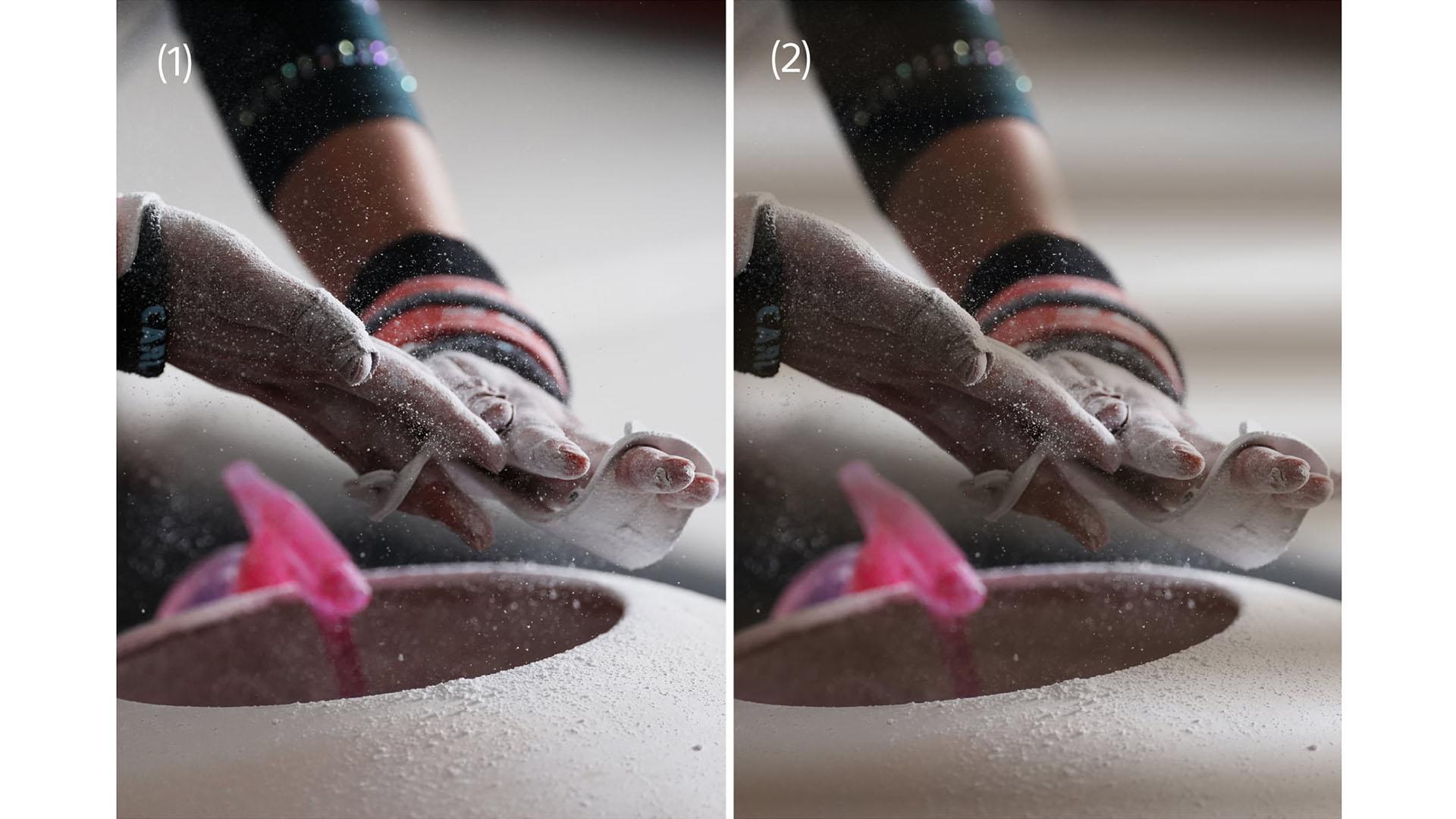
Achieving flicker-free footage primarily relies on two methods.
When using electronic shutters around large LED screens (like stage backdrops), these rules may not be enough because LED screens have their own refresh rates. In these cases, it is recommended to use built-in camera features like Clear Scan or Extended Clear Scan (ECS). Alternatively, you can manually fine-tune the shutter speed until the black scanning lines on the screen disappear. Another trick is to use a shallow depth of field to blur the background; by keeping the screen out of the focal plane, the visible impact of the flicker can be significantly reduced.
Mechanical and electronic shutters are not in a relationship of replacement but rather two complementary core technologies in the evolution of photography. The mechanical shutter, with its solid physical feedback and stability, guarantees image integrity and realism in high dynamic and flash synchronization. Conversely, the electronic shutter leverages its silence, lack of vibration, and extreme readout speeds to overcome traditional physical limitations, allowing creators to capture fleeting moments precisely without disturbing the scene's atmosphere.
For professional content creators, understanding the characteristics of both shutters is merely the basic. More critical is the ability to observe the lighting and motion conditions of the environment and flexibly find a balance between mechanical and electronic shutters. Only by mastering how to mitigate artifacts like flickering and rolling shutter can one truly unlock the full potential of their equipment, ensuring flawless visual quality in any scenario.